learn more about Coral
What kind of dog are you when you're interacting with other people?

An affectionate helper
Kind, caring, and always there to support.
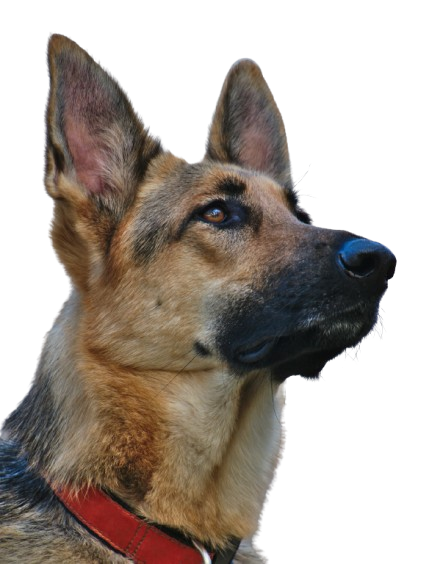
A commanding strategist
Stays calm, gives direction, and takes charge.

An aggressive challenger
Pushes hard, criticizes, and confronts.

A cheerful companion
Brings good vibes and says yes to everything.

An irritating nitpicker
Picks fights over small things, and keeps the mood tense.
We've done the experiment.
My partner and I left a recorder running in the house all day.
A live dashboard in the living room showed how our behavior shifted over time.
Every 30 minutes, a new dog was assigned to us based on how we interacted.
The result
We're not always who we wish we'd be!
You'd think a golden retriever and a cavalier would mean success, but our exclamations were in unison: "I don't wanna be a cavalier!" and "I don't wanna be a golden retriever!"
It turned out there was one moment when I slipped into a German shepherd, and, curious to find out when and checking the recordings, I realized it was while deciding where to place the new piece of furniture we got.
Luckily the golden retriever didn't turn into a pit bull to bite back and send our kennel spiraling.
Try it out yourself
All you need is a device to record audio.
How it works
Record conversations
Use any device to record your conversations. You choose what and how long you want to record.
Sync your recordings
Send the audio or transcripts through your portal. You'll get an access code per email.
Get Your Results
Receive a report showing the dog timelines and an analysis of the speaker's behaviors.
*ensure you have everyone's consent to record
Fun aside, here's the serious talk.
Coral is grounded in cognitive science, social psychology, and behavior change research.
When we’re engaged in conversation, our ability to reflect objectively is impaired. Certain brain processes involved in self-awareness and regulation become less active. That’s why it’s difficult to remember exactly what happened — or why we reacted the way we did — once the conversation is over.
We also interpret interactions through a personal lens. This makes it hard to distinguish between what someone did and how it made us feel. Viewing a timeline together — whether with a partner or a colleague — creates psychological distance. It helps us shift into an observer role, which research shows can increase empathy and reduce defensiveness.
When both people see their patterns side by side, it invites shared vulnerability. The dynamic becomes a subject of joint exploration, rather than a source of blame. Instead of arguing about who was right, people can look at what happened together, like analysts watching a recording.
We use dogs as behavioral metaphors because they’re familiar, expressive, and emotionally neutral. People intuitively recognize dog personalities, and that makes the reflection feel both accessible and a little bit lighter — which helps open the door to deeper insight.
Find out more at: http://talkcoral.com/